Family therapy
Dysfunctional dynamics in family relationships cause and feed symptoms. We work with the family to understand and transform them.
Narden / Branches / 01
Narden Clinical
Clinical and neuropsychological care with personalised treatments, based on a functional understanding of each case and the best available scientific evidence.


Where we see patients
In person in Italy
Services
In-depth clinical assessment to understand symptoms, reach an accurate diagnosis and guide treatment.
Personalised treatment, based on a functional understanding of each case.
Assessment of attention, memory, language and executive functions to support diagnosis and planning.
Interventions to stimulate and compensate for cognitive functions in everyday life.
To understand relationship patterns and build healthier ways of relating and living one’s sexuality.

Dysfunctional dynamics in family relationships cause and feed symptoms. We work with the family to understand and transform them.

Part of the work with the family is helping the young person, and the parents, accept that first choices do not define studies and career forever. We help young people move out of “I’m not ready enough”, put their plans into practice and not give up just because they cannot stand a subject they dislike: often they will not even need it in their career. Choosing also means experimenting, making mistakes and adjusting course.

From age 14. Adolescence is a time of intense change, in the body, friendships, identity and school, and distress often shows up as isolation, irritability, falling grades or excessive screen use. We offer young people a space of their own, in confidence, with agreed moments of family involvement.
The support and experience of others also heal. In a group, people realise they are not alone, learn from those in similar situations and practise skills in a safe environment, as in DBT skills groups.
Video sessions with the same quality and confidentiality as in person, and comparable effectiveness for many conditions. The advantages: no travel or traffic, more flexible hours, continuity of treatment when travelling or moving city or country, sessions in your own language if you live abroad, and more comfort for people with social anxiety, chronic pain or reduced mobility.

In individual psychotherapy, some sessions can include important people in the patient’s life: to better understand the context, provide psychoeducation about what the person is going through, practise a difficult conversation, agree on how to support them in a crisis or repair a conflict.
How it works: other people take part only if the patient wishes. Beforehand, patient and therapist agree on the purpose of the meeting, who will attend, what will and will not be discussed (confidentiality remains protected) and how the session will run: opening, goals, space for everyone to speak and a closing with next steps. It is not a courtroom: the therapist makes sure the session strengthens the treatment.

We guide parents to teach their children to recognise, name and accept emotions, and to self-regulate without turning to games, food, shopping or other dysfunctional behaviours. Parents teach above all by example: when they show their own emotions naturally, children learn that feeling is allowed.
Sadness. The child asks Dad to play, and Dad replies: “Today Daddy feels sad, and that’s okay. When I’m sad, I like to be a bit quieter. Do you want to watch a film with me?” So when the child feels sad, they will share the emotion with their father without hiding it and, most importantly, say why. This open channel also protects the child from situations of abuse.
Anger. The father names the child’s emotion: “Something unfair happened to you, and it’s normal to feel angry. When I feel angry, I like to run. What do you like to do? Do you want to run in the park, and then we’ll tell your little friend why you felt that way and what your limit is?”
Part of our clinical care ecosystem:

Cognitive-behavioural and dialectical behaviour psychotherapist · Psychodiagnostician · Neuropsychologist · Founder of Narden
A cognitive-behavioural and dialectical behaviour psychotherapist and neuropsychologist specialising in mental health, neuroscience and applied behaviour, with extensive experience in clinical, outpatient and hospital settings.
She is an expert in the functional transdiagnostic approach, identifying and analysing the features and symptoms shared by different disorders to find the best treatment for each case. She uses scientifically proven treatments and interventions, based on rigorous evidence, to ensure maximum effectiveness and safety for patients with neurodevelopmental, personality, anxiety, mood and eating disorders.
Her international and intercultural experience has led her to treat patients from many countries. Patients know her for her informal, human and empathetic approach and her interpersonal communication skills, which allow her to build relationships of trust, and for her commitment to empowering people.

Psychologist · Work psychologist · Psychotherapist in training (systemic-relational)
Psychologist, work psychologist and psychotherapist in training with a systemic-relational orientation, with a master’s degree in criminology.
His professional approach integrates clinical, relational and multidisciplinary skills, placing at the centre the person in their uniqueness, their history and the family, social and work context they live in.
Through empathetic listening and a relationship based on trust and the absence of judgement, he accompanies people on paths of awareness and change, helping them understand their emotional and relational dynamics, value their personal resources and develop new strategies for facing difficulties. His aim is to promote psychological well-being, strengthen individual abilities and foster more functional relationships, supporting each person in building a more conscious and satisfying balance.

Psychologist · PhD
Psychologist with a research doctorate (PhD) and international, multilingual clinical experience in both diagnosis and intervention.
She specialises in treating behavioural and emotional patterns arising from insecure attachment and childhood trauma. She also has extensive experience treating ADHD, anxiety disorders, depression, phobias, obsessive-compulsive disorder and personality disorders.
She combines an evidence-based approach with attention to the person and the human relationship.

Psychiatrist and psychotherapist · Naples and online
Psychiatrist and psychotherapist, he trained in medicine and surgery at Sapienza University of Rome and specialised in psychiatry at the University of Naples Federico II. He treated the most common mental disorders at both university hospitals.
In addition to treating mood, psychotic and personality disorders, he has extended his training to eating disorders such as anorexia and bulimia nervosa, obesity and binge eating disorder. He worked as a senior consultant psychiatrist at the ASL (local health authority) of Caserta and sees patients in private practice at his office in Naples or online.
He takes a broad view of caring for psychological suffering, using pharmacological and/or psychotherapeutic tools according to each patient’s specific needs. He considers it important for patients to know the different treatment options and understand their meaning and how they work, so they can take an active part in their own care.
Nutritionist biologist
A nutritionist biologist, she works in nutrition education and personalised nutrition programmes aimed at improving well-being and quality of life.
Her approach sees eating not just as a set of rules, but as part of the relationship each person builds with food and their own body. She guides people towards more mindful and flexible eating, inspired by the principles of intuitive eating, to encourage listening to hunger and fullness signals and a calmer relationship with food and the body.
She pays particular attention to difficulties with weight, repeated dieting over time and a conflicted relationship with food, helping people reduce constant control and develop sustainable eating habits that respect their needs and daily life. She believes in programmes based on scientific expertise, listening and empathy, built around each person’s history and needs.
How we work
Every treatment follows five principles.
Rather than treating each diagnosis in isolation, we look at the processes that maintain suffering and are shared by several disorders, such as avoidance, rumination, self-criticism and emotional dysregulation.
We start from a solid core model, cognitive behavioural therapy, and incorporate techniques from other approaches, such as DBT and Schema Therapy, when the case calls for it, always consistently with the case formulation.
Sessions aimed at concrete change: skills practised in session and exercises to take into daily life.
Interventions with effectiveness demonstrated by scientific research, combined with clinical experience and each patient’s preferences.
Goals, pace and decisions built together with the person, respecting their history, their values and the moment they are living.
Why integrative
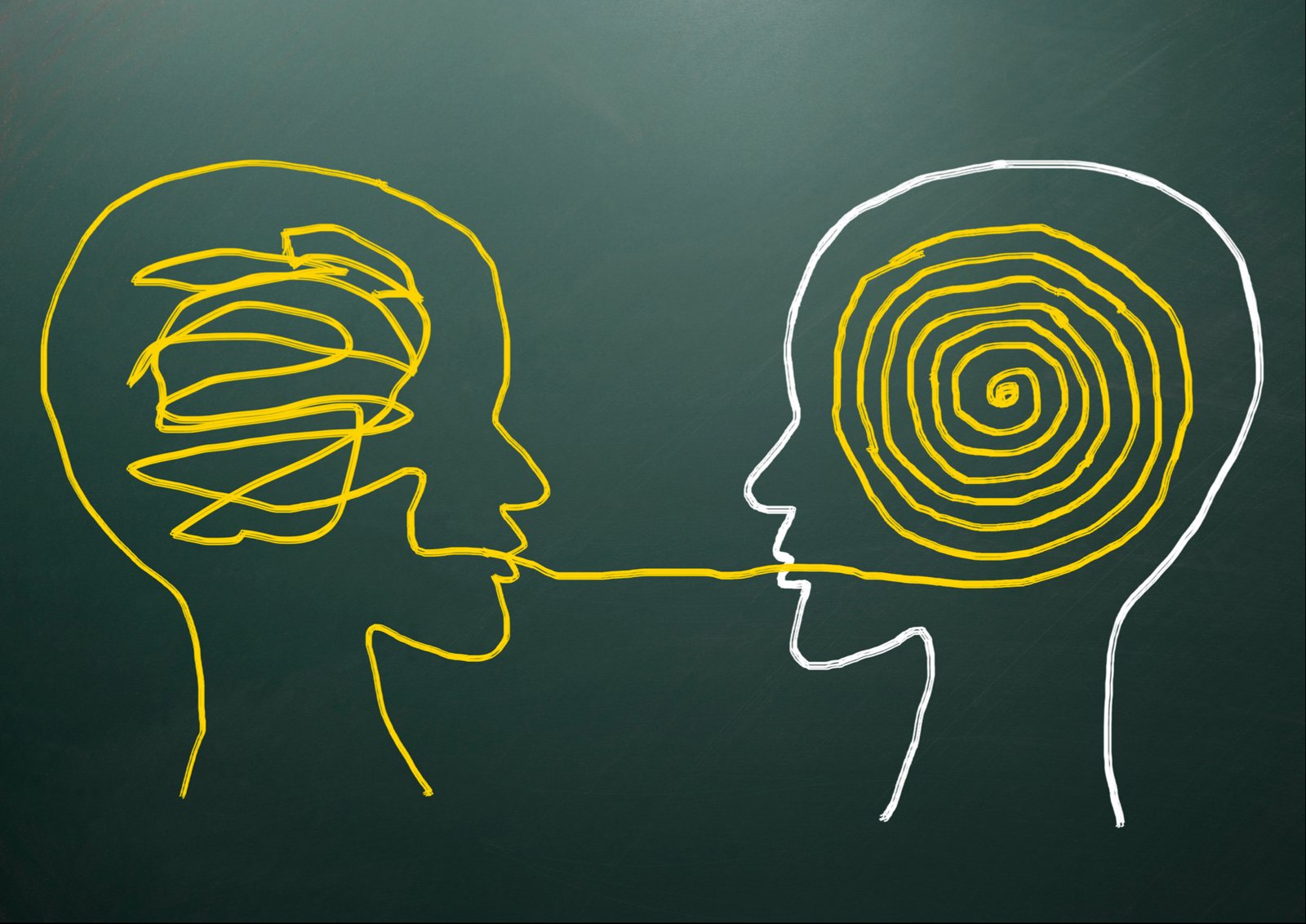
There are times when the mind feels like a tangled ball of yarn: thoughts tripping over one another, intense and contradictory emotions, difficulty making sense of what you are living. In these cases behavioural techniques alone do not always work: before changing behaviour, the person needs to feel understood and to organise their own experience.
This is where dialectical behaviour therapy (DBT) and the humanistic approach complement the work, with validation, acceptance and a safe therapeutic relationship, while the behavioural part helps build concrete change. That is why our therapy is integrative: the tool adapts to the person, not the other way round.
Functional assessment
According to the World Health Organization, more than 1 billion people worldwide live with a mental disorder: about 1 in 8. Many people who suffer do not have a psychopathology but dysfunctional behaviours: procrastinating, avoiding conflict, eating or drinking to cope with emotions, perfectionism, outbursts of anger, difficulty saying no.
Functional assessment examines, for each behaviour, what triggers it, what it is for (what relief or gain it brings) and what maintains it. That way, intervention goes straight to the mechanism, not just the symptom.
Treating early is prevention: left unaddressed, these behaviours can develop into anxiety disorders, depression, addictions and eating disorders.

Psychotherapy and psychiatry
When needed, we work together with trusted psychiatrists. What the research says:
That is why, when medication is indicated, it does not replace psychotherapy: the two add up.
References
1. Cuijpers P, Sijbrandij M, Koole SL, Andersson G, Beekman AT, Reynolds CF. The efficacy of psychotherapy and pharmacotherapy in treating depressive and anxiety disorders: a meta-analysis of direct comparisons. World Psychiatry. 2013;12(2):137-148. doi:10.1002/wps.20038
2. Cuijpers P, Oud M, Karyotaki E, et al. Psychologic treatment of depression compared with pharmacotherapy and combined treatment in primary care: a network meta-analysis. Ann Fam Med. 2021;19(3):262-270. doi:10.1370/afm.2676
3. Cuijpers P, Noma H, Karyotaki E, Vinkers CH, Cipriani A, Furukawa TA. A network meta-analysis of the effects of psychotherapies, pharmacotherapies and their combination in the treatment of adult depression. World Psychiatry. 2020;19(1):92-107. doi:10.1002/wps.20701
4. Cuijpers P, Hollon SD, van Straten A, Bockting C, Berking M, Andersson G. Does cognitive behaviour therapy have an enduring effect that is superior to keeping patients on continuation pharmacotherapy? A meta-analysis. BMJ Open. 2013;3(4):e002542. doi:10.1136/bmjopen-2012-002542
5. Cuijpers P, Sijbrandij M, Koole SL, Andersson G, Beekman AT, Reynolds CF. Adding psychotherapy to antidepressant medication in depression and anxiety disorders: a meta-analysis. World Psychiatry. 2014;13(1):56-67. doi:10.1002/wps.20089
6. Karyotaki E, Smit Y, Holdt Henningsen K, Huibers MJH, Robays J, de Beurs D, Cuijpers P. Combining pharmacotherapy and psychotherapy or monotherapy for major depression? A meta-analysis on the long-term effects. J Affect Disord. 2016;194:144-152. doi:10.1016/j.jad.2016.01.036
What we treat
We work with many conditions and dimensions of mental health. Diagnosis matters: after a careful diagnostic assessment carried out together with the patient, the person receives psychoeducation about how they function.
Psychopathologies share some symptoms, but each patient functions differently, depending on personality traits, life history, genetic tendencies and the primary and secondary symptoms of each disorder.
Every person is more than a diagnosis: treatment starts from who they are and from what keeps them suffering.
We see patients in person in Rome, Naples, Salerno, Nocera Inferiore and Florence, and online worldwide.

Sadness is a healthy emotion in the face of loss, disappointment and change, and it can be very intense without being an illness. Mood disorders differ from one another in important ways:
Why tell them apart: each condition has a different treatment. Treating bipolarity as depression, or turning normal sadness into an illness, can make things worse.

Persistent sadness, tiredness, loss of interest and pleasure, changes in sleep and appetite, a sense of emptiness and of having no future. In depression and dysthymia, treatment helps to understand what keeps this cycle going and to recover, step by step, activity, meaning and connection.

Alternation between phases of elevated or irritable mood, with high energy, little sleep and impulsivity, and depressive phases. Psychotherapy, in dialogue with the psychiatrist, helps recognise early warning signs, regulate routines and sleep, and build stability.

In women, bipolar disorder is often recognised later. This happens because:
What we do: a detailed life history, mood tracking (the energy calendar), attention to the menstrual cycle and reproductive stages, and joint work with the psychiatrist. Antidepressants without a mood stabiliser can worsen bipolar disorder: that is why the correct diagnosis matters so much.

For people who experience highs and lows of mood and energy, a simple daily log (mood, energy, hours of sleep, menstrual cycle, medication, alcohol and important events) turns vague impressions into visible patterns.
Basis: mood tracking and regular daily rhythms are part of approaches such as interpersonal and social rhythm therapy (IPSRT), developed for bipolar disorder.

Very intense emotions that change quickly or feel out of control often affect relationships and decisions. We work on skills to recognise, tolerate and respond to emotions more effectively.

Anger itself is a healthy emotion: it signals injustice and helps us set limits. The problem is when it explodes, too fast and too hard. An anger outburst usually follows the same path:
When to seek treatment: when outbursts are frequent or disproportionate, when you regret what you said or did, when the people close to you become afraid or start walking on eggshells, or when there is damage at work and in relationships. With DBT and CBT, people learn to recognise the body’s signals before the point of no return, use skills to bring the intensity down (such as STOP and TIP) and express what they feel without destroying.
Hurting one’s own body is rarely “attention-seeking”. Most of the time it is a way, which works in the short term and does harm in the long term, to relieve unbearable emotional pain, escape a state of emptiness or dissociation, punish oneself or express suffering for which there are no words. Because its function is to regulate emotions, self-harm appears in many conditions beyond borderline personality disorder:
Treatment: DBT is the approach with the most evidence: understanding the function of the behaviour and building, step by step, other ways of getting through emotions. If you are hurting yourself, you do not have to face it alone: contact us. If you are at immediate risk, contact an emergency service.

It is neither sadness nor boredom: it is the sense of a hole inside, of feeling nothing, of not knowing who you are or what you want. People often try to fill this emptiness with food, shopping, alcohol, intense relationships or screens. Chronic emptiness appears above all:
Personal restructuring: treatment does not try to “fill” the emptiness from the outside. We work on emotional awareness, personal values (what really matters to you), identity and more authentic relationships, so that life gradually regains a content of its own.

It is not “just PMS”. In the days before menstruation, irritability, sadness, anxiety, sudden mood swings and a sense of losing control appear, and they improve once the period starts. PMDD is recognised in the diagnostic manuals (DSM-5-TR and ICD-11) and is linked to greater brain sensitivity to the normal hormonal changes of the cycle.
What recent research says: PMDD is much more frequent and intense in people with ADHD, autism or other forms of neurodivergence, and also in those living with anxiety, depression or a history of trauma. That is why we assess it carefully in these cases, with a cycle diary, emotional regulation strategies and joint work with a gynaecologist and psychiatrist.


Physical and emotional exhaustion, detachment or cynicism towards work and the sense of not being able to cope any more: it is the result of work stress that has built up without enough recovery. ICD-11 recognises burnout as a work-related phenomenon. We work on limits, energy recovery, perfectionism and returning to work, or changing course, sustainably.

Constant worry, panic attacks, phobias and avoidance can make life smaller and smaller. With evidence-based approaches, people learn to handle uncertainty and move back towards what matters.

Intense fear of being judged, evaluated or embarrassed in front of others: speaking in public, eating in front of someone, walking into a full room, talking on the phone, starting a conversation. Blushing, trembling and a blank mind follow, and afterwards hours spent replaying what was said. To avoid suffering, the person avoids, and life gets smaller. CBT is the first-line treatment: gradual exposure, less self-focused attention and dropping “safety behaviours”.

Sudden attacks of intense fear, with a pounding heart, shortness of breath, dizziness, tingling and the feeling of dying, fainting or going mad. After the first attack comes the fear of having another, and the person starts avoiding places and situations, such as public transport, crowds or going out alone. CBT teaches people to understand what happens in the body, stop fearing the sensations and gradually return to the places they have avoided.

They are three different things that often appear together:
Why tell them apart: the treatment changes. In agoraphobia the focus is gradual exposure to avoided situations; in panic disorder, learning not to fear the body’s own sensations.

Intrusive thoughts, images or fears that cause great distress (obsessions) and repeated behaviours or rituals to relieve it, such as cleaning, checking, ordering or counting (compulsions). The relief is short-lived and the cycle grows stronger. Exposure and response prevention, within CBT, is the psychological treatment with the most evidence for OCD.
OCD is not just an obsession with cleanliness. It can take many forms, and recognising your own type already brings relief: you understand that you are not “going mad” but caught in a cycle that can be treated.

Putting off what matters, even knowing the consequences, is rarely laziness: it is usually a way of escaping uncomfortable emotions, such as fear of failure, boredom or overload. We work on what lies behind the putting off and on practical strategies for starting and finishing tasks.

Poor sleep is today one of humanity’s biggest health problems. The difficulty takes many forms:
The consequences: poorer memory and concentration, irritability, raw emotions, more anxiety and depression, more hunger and sugar cravings, pain, weaker immunity and a higher risk of accidents and of cardiovascular and metabolic disease.
Why sleep hygiene is not enough: switching off screens and keeping regular hours helps, but rarely solves the problem on its own. Sleep has to be addressed from every angle: CBT for insomnia (the first-line treatment), biological rhythm and light exposure, anxiety and rumination, emotional regulation, nightmares and trauma, diet and physical activity, and medical assessment of other causes, such as sleep apnoea.

It often starts as a way to relax, sleep or bear difficult emotions, and little by little the person needs to drink more, loses control over when to stop and carries on despite harm to health, work and relationships. It often goes hand in hand with anxiety, depression and trauma. Treatment combines motivational interviewing, CBT and relapse prevention, together with the doctor (stopping may require medical supervision), and includes support for the family.

Alcohol is often sought not for pleasure but as anaesthesia: to avoid feeling anxiety, sadness, anger or loneliness, to tolerate the discomfort of being with oneself. It works for a few minutes and costs a lot afterwards: more anxiety the next day, worse sleep, impulsivity and guilt.
The link with emotional regulation: people who find it harder to recognise, tolerate and regulate emotions are at greater risk of using alcohol as a strategy. That is why treatment is not just “stop drinking”: it is learning other ways of getting through discomfort, such as DBT distress-tolerance and emotion-regulation skills.
It can arise after an event in which the person felt their own life, or someone else’s, was in danger: an accident, a robbery, a disaster, a traumatic birth, the sudden death of someone close or having come close to death. The memory returns as if it were happening again (flashbacks and nightmares), the person avoids anything that recalls the event and lives on high alert. Trauma-focused treatments have strong evidence of effectiveness.
It arises from repeated or prolonged trauma from which escape was difficult or impossible: bullying, abuse, neglect or violence at home or in a relationship. Beyond the symptoms of PTSD, it affects how a person regulates emotions, sees themselves (shame, guilt, feeling worthless) and trusts others. Care begins with safety and stabilisation and moves, at each person’s pace, towards processing.
What is the difference? In PTSD the core is the memory of an event. In complex PTSD, recognised by ICD-11, repeated trauma also affects identity, emotions and relationships. That is why treatment is usually longer and organised in phases.

Autism, ADHD, giftedness, dyslexia and other forms of neurological functioning are different ways of perceiving, feeling and processing the world, not defects to be corrected. Assessment helps to understand this profile, with its strengths and difficulties, and ongoing support helps the person live in line with how they function.

Inattention, impulsivity, restlessness and difficulty with organisation and time management, present since childhood and often continuing into adulthood. Assessment confirms the diagnosis and maps each person’s profile; ongoing support builds practical strategies for study, work and relationships, in dialogue with the psychiatrist when medication is involved.

It is like having many tabs open at once: ideas arrive all together, everything seems urgent, a thousand things get started and few get finished, the thread is lost halfway through a task. It is not a lack of willpower or intelligence: it is a difficulty with executive functions, which organise, prioritise and sustain action. We work on getting organisation out of the head and onto the outside (lists, visual boards, alarms), breaking tasks into small steps, deciding priorities and dealing with frustration and self-criticism.

Not every concentration problem is ADHD. Phones, notifications, social media and emails hijack attention dozens of times a day and gradually drain mental energy. By the end of the day there is no energy left to focus on what really matters and comes first.
How we tell them apart: in ADHD the difficulties have been present since childhood and appear in several settings; with digital fatigue they arise from excessive device use and improve when habits change. Assessment clarifies which it is, and we work on routines that protect attention and restore energy.

Sometimes assessment does not confirm ADHD, and the question remains: so why can’t I concentrate? Inattention is a symptom, not a diagnosis, and it can have many causes:
The next step: a complete clinical and neuropsychological assessment does not stop at “it’s not ADHD”: it investigates what it is, so that the treatment is the right one.

It is the effort, often automatic, to hide one’s way of being in order to seem “normal”: imitating expressions, rehearsing conversations, holding back movements and sensory discomfort. It is most studied in autism, especially in women and girls, and is also common in ADHD; it appears in social anxiety too and in people who learned through trauma that showing themselves is dangerous. It works for a while, but at a high price: exhaustion, anxiety, depression, loss of identity and late diagnoses.
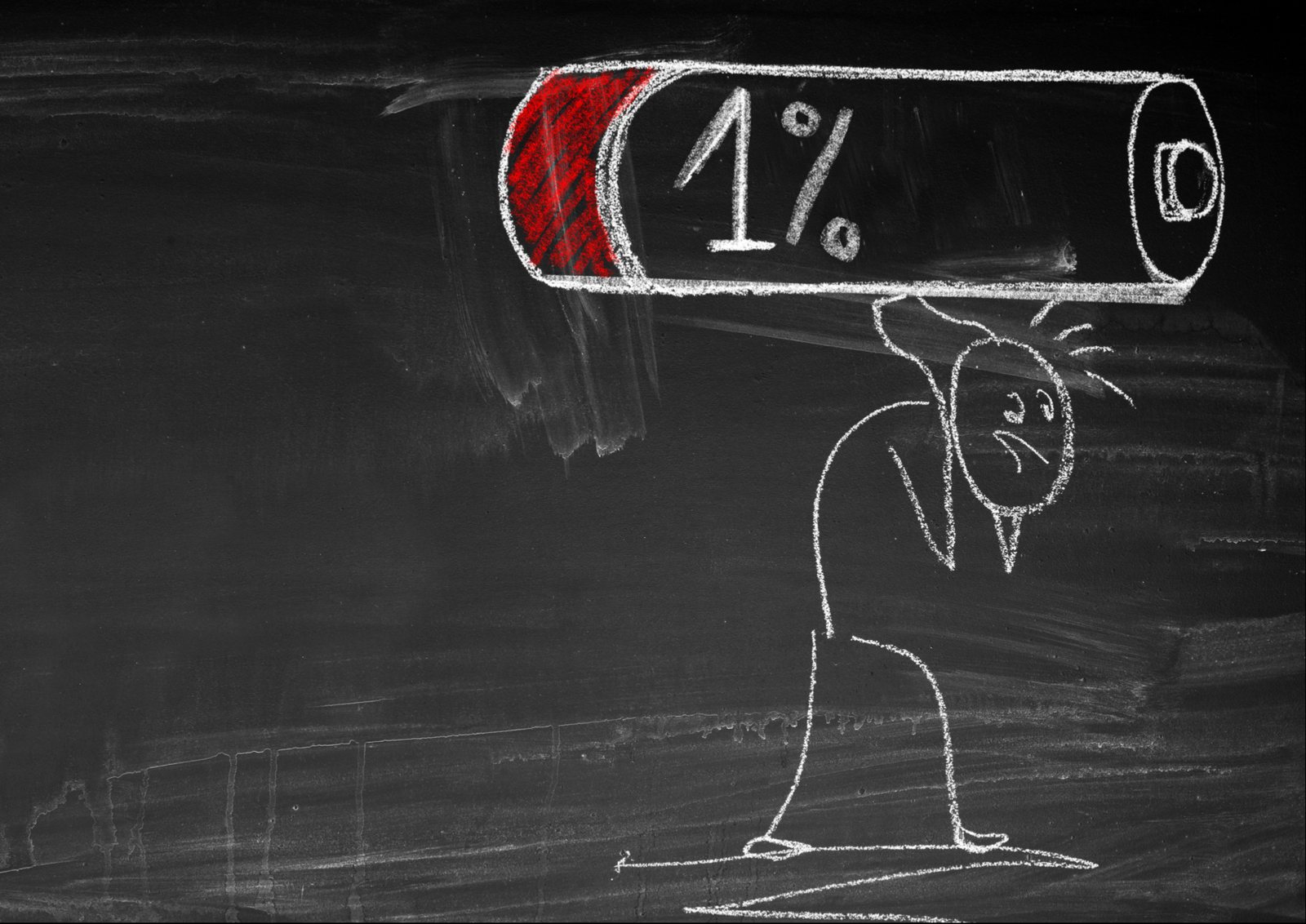
Many neurodivergent people live with their battery almost flat: concentrating, filtering stimuli and adapting to the environment use up much more energy. In ADHD, motivation often depends on interest, novelty or urgency rather than on how important the task is. We work on energy management, realistic routines and recovery breaks to prevent exhaustion and burnout.

A specific learning disorder affecting reading and writing: reading slowly, swapping or reversing letters, struggling hard to understand a text, despite normal intelligence and adequate teaching. It is not laziness or lack of effort. Neuropsychological assessment identifies the profile, and intervention and accommodations at school, university and work make a big difference.

A specific learning disorder in mathematics: persistent difficulty understanding what numbers mean, doing sums, memorising times tables, telling the time and handling money, despite normal intelligence and adequate teaching. It is not lack of effort or “not being a maths person”, and it often causes a lot of anxiety and shame at school. Neuropsychological assessment identifies the profile; intervention uses concrete, visual tools, and school accommodations make a difference.

Reminders, visual timers, digital planners, text-to-speech, organisation apps and artificial intelligence tools can act as external support for executive functions. We help people choose and use these tools in a personalised way, so that technology works for them and does not become yet another distraction.

A group designed for neurodivergent functioning, with clear rules, predictability and respect for sensory needs. Being among people who function in a similar way brings relief and belonging: there is no need to explain everything or to mask.

Episodes of eating a large amount of food in a short time, with a sense of losing control, followed by guilt and shame. Bingeing is often a way of coping with difficult emotions: treatment works on this function, on regular meals and on the relationship with the body.
Cycles of bingeing followed by behaviours to “compensate”, such as vomiting, laxatives, fasting or excessive exercise, often kept secret. Treatment breaks this cycle and works on the emotions and self-evaluation linked to weight and body shape, in dialogue with the doctor and nutritionist.
In anorexia, food restriction and an intense fear of gaining weight take up more and more space. This and other dysfunctional eating behaviours involve much more than food: treatment considers emotions, thoughts and behaviour, in dialogue with other professionals when needed.

Chewing food, usually very high in calories, and spitting it out before swallowing, to taste it without “absorbing” the calories. It is a little-known behaviour, lived with great shame and secrecy, so it is rarely mentioned spontaneously. It occurs mainly alongside food restriction, anorexia and bulimia, and deserves to be assessed and treated with the same care.

Even after treatment for an eating disorder, traces often remain: counting calories in your head, rigid rules about what you “can” and “cannot” eat, fear of certain foods, guilt after eating, body-checking in the mirror, compensating with exercise. Disordered eating also appears in people who have never been diagnosed. It is not fussiness or a detail: addressing these traces is what prevents relapse and restores a calm relationship with food.

Eating to calm down, comfort yourself, reward yourself or avoid feeling. It often happens without the person noticing:
How we work: noting what you felt before eating, telling physical hunger from emotional hunger, broadening regulation strategies and reducing the restriction and guilt that feed the cycle.

Medicines such as tirzepatide (Mounjaro) greatly reduce appetite and help weight loss. But when they are stopped, appetite returns. In the SURMOUNT-4 trial, people who switched from tirzepatide to placebo regained on average 14% of their weight in about a year, while those who continued treatment kept losing weight (Aronne et al., JAMA, 2024). If the emotional function of food has never been addressed, bingeing can come back strongly.
How to prevent the rebound: psychotherapy should accompany treatment from the start, not only at the end: identifying the emotional triggers of hunger, building regular eating without excessive restriction, developing other ways of regulating emotions and planning with the doctor how to reduce or stop the medicine. Never stop medication without medical advice.

When the image we see in the mirror does not match the real body, or when one detail of our appearance occupies the mind for hours, as in body image distortion and body dysmorphic disorder. We work on how the person sees, compares and evaluates themselves, so that appearance stops running their life.

Jealousy becomes a problem when it is disproportionate, does not depend on facts and starts running the relationship: checking the phone and social media, interrogating, controlling schedules and friendships, imagining betrayal from small details. It hurts both the person who feels it and the person who is its target. Behind it there may be insecurity and fear of abandonment, attachment patterns, trauma, alcohol use or obsessive functioning. We work on tolerating uncertainty, emotional regulation and trust, individually or as a couple; where the conviction of betrayal is unshakeable, together with the psychiatrist.

Triangulation happens when a third party takes the place of a conversation the couple cannot have: a lover, an ex, a friendship, a child, the family of origin or even the phone. Instead of speaking directly to the partner, the tension is diverted: provoking jealousy, seeking allies, venting to someone else, using the children as messengers. It eases anxiety for a while, but stops the problem from being solved. In therapy, individual or couples, we identify the triangles and give the conversation back to those it belongs to.

Control, humiliation, possessive jealousy, isolation from friends and family, threats, cycles of explosion and reconciliation. Over time, the person starts to doubt themselves and their own perception.
You do not need to wait until you have the strength to leave before starting therapy. Treatment begins long before that strength grows: we structure the areas of your life, work on self-esteem and personal healing and build a solid support network, so that when the decision is made you are safe and supported.
If you are in immediate danger, get help: in Italy 112 or 1522; in Brazil 190 or 180; elsewhere, your local emergency number.

A safe, affirming space where sexual orientation and gender identity are not treated as problems. Suffering often comes from outside: prejudice, fear of rejection, having to hide.
Preparing for disclosure: we help plan the conversation with family and friends: whom to tell first, when and how, rehearsing the words, anticipating reactions, strengthening the support network, protecting your own safety and handling difficult responses. The timing is always the person’s own.

Little or no desire, difficulty with arousal, erectile dysfunction, premature ejaculation, difficulty reaching orgasm, pain during sex (as in vaginismus). They are far more common than people admit, and almost always come with shame and silence.
How we work: first, a medical assessment to rule out physical causes and medication effects (some antidepressants, for example). Then sex therapy works on performance anxiety, beliefs, the couple’s communication and gradual exercises such as sensate focus, individually or as a couple.

The path of assisted reproduction is made of waiting, injections, tests and great expectations with every cycle. It is common to feel intense anxiety while waiting for results, grief for each unsuccessful attempt or pregnancy loss, pressure on the couple and a sex life that starts to run to a schedule.
Psychological support helps to: get through each cycle with less suffering, protect the couple’s relationship, make difficult decisions (such as gamete donation or when to stop treatment) and process losses. European human reproduction guidelines (ESHRE) recommend that psychosocial care be part of treatment.

Many symptoms that appear in a son or daughter, whether a child, teenager or adult, arise and are maintained within family dynamics. Some patterns we often see:

Stomach aches before school, headaches, bedwetting again, insomnia, tantrums, new fears: in children, distress often speaks through the body and behaviour. And every symptom has a function. Sometimes, when the child falls ill, the parents stop fighting and come together to look after them: without anyone noticing, the symptom “works” and so it persists.
Treatment is with the parents: working on the couple’s conflict, communication and the stability of routines relieves the child of the job of holding the family together. Always after a paediatric assessment to rule out medical causes.

Children who argue, defy rules, get irritated easily and seem to do the opposite on purpose. Parent training is the first-line treatment:
Why it works: the child defies, the adult shouts, the child defies more. When parents change how they respond, the cycle breaks.

Parents of children with ADHD or autism often lovingly apply strategies that work for other children, and get frustrated when they do not work with their own. Parent training starts from the child’s profile:
Scientific basis: parent training is recommended as first-line treatment for ADHD in preschool children and also improves behaviour and family climate in autism.

Persistent patterns of thinking, feeling and relating can cause suffering and repeated conflict. With structured treatments and a solid therapeutic relationship, it is possible to build more flexible ways of living.
In borderline personality disorder, emotions rise fast, very high, and take a long time to come down. There is instability in self-image and relationships, intense fear of abandonment, impulsivity, a sense of emptiness and sometimes self-harm. DBT was created for borderline personality disorder and is the treatment with the most evidence.
What it can be confused with:
Why it matters: the wrong diagnosis leads to the wrong treatment. That is why assessment is careful and carried out over time.

Behind the need for admiration, the sense of being special and the difficulty recognising what others feel, there is often fragile self-esteem, highly sensitive to criticism and failure. People rarely seek help for narcissism itself: they come because of depression, crises at work or in relationships. With a firm and respectful therapeutic relationship, it is possible to build steadier self-esteem and more genuine relationships.

The person longs for connection but has an enormous fear of being criticised, rejected or ridiculed. In everyday life it looks like this:
Treatment: CBT and Schema Therapy help people gradually face avoided situations, reduce self-criticism and build, within a safe therapeutic relationship, the experience of being accepted as they are.

Pain that lasts more than three months, as in fibromyalgia, migraine or back pain, affects sleep, mood, work and relationships; and these factors in turn increase the pain. Psychotherapy, especially CBT and ACT, does not say “the pain is all in your head”: it helps reduce suffering, fear of movement and the weight of pain in life, together with the medical team.

Psychological support for patients with serious illnesses or no prospect of cure, and for their families. The focus is quality of life and dignity: facing fear, emotional pain and difficult decisions, talking about what matters, saying goodbye and living anticipatory grief, always together with the healthcare team.
The pain of losing someone important is a natural response, not an illness. Sometimes, however, longing and suffering remain very intense for a long time and stop life from moving on: this is what ICD-11 calls prolonged grief disorder. We accompany grief to give space to the pain, find ways of keeping the bond with the person who has gone and rebuild routine. Children and adolescents grieve too, often in silence: we help families talk about the loss in an age-appropriate way.

Work is not just income: it structures the day and gives identity (“I am…”), belonging, recognition and purpose. That is why a dismissal, closing a business or even retirement can be experienced as grief, with sadness, anger, shame and the feeling of no longer having any value. This grief deserves support: processing the loss, caring for self-esteem and rebuilding routine, identity and new paths.

Retirement removes, all at once, routine, professional role, colleagues and sometimes the feeling of being useful. Without preparation, free time can turn into isolation, inactivity, anxiety and depression.
How to prevent it: planning the transition before it happens; building a new routine with schedules and goals; keeping the body moving and the brain learning; cultivating friendships and taking part in the community, for example through volunteering; renegotiating time together with your partner; and finding new projects that give meaning to the days.

Changes in memory, language, perception, attention and movement can appear after a stroke, traumatic brain injury, tumours, neurodegenerative diseases (such as Alzheimer’s and Parkinson’s) or other neurological conditions. Neuropsychological assessment identifies what has changed, and rehabilitation helps recover or compensate for functions and preserve independence.

Forgetting appointments, repeating the same questions, getting lost in familiar places or struggling with money and medication are signs that deserve investigation. Assessment uses standardised tests of memory, attention, language, perception and executive functions, comparing results with people of the same age and education.
What it is for: distinguishing normal ageing from mild cognitive impairment; identifying conditions that mimic dementia, such as depression; differentiating types of dementia (Alzheimer’s, vascular, frontotemporal, Lewy body), together with the neurologist and brain imaging; and creating a baseline to track progress and guide the family.

Forgetfulness, slowness or changes in behaviour in later life deserve attention. Neuropsychological assessment distinguishes normal ageing from mild cognitive impairment and dementia, and guides cognitive stimulation, rehabilitation and family support.

The brain remains able to learn and adapt throughout life. Cognitive stimulation, with exercises for memory, attention, language and reasoning, combined with physical activity, good sleep, social life and learning new things, helps preserve functions and independence and build what is known as cognitive reserve. It is suitable for people who want to age while caring for their mind, for those beginning to notice small lapses and in mild cognitive impairment, with personalised programmes based on neuropsychological assessment.

During perimenopause and menopause, many women feel “foggy”: forgetfulness, difficulty finding words, concentrating and multitasking. Falling oestrogen, hot flushes, broken sleep and mood changes all contribute. In most cases these changes are mild and tend to improve after the transition, but they are frightening and weigh on work and self-esteem. We assess the cognitive profile, reassure with concrete data and work on sleep, anxiety and memory strategies, together with the gynaecologist.

Computerised cognitive stimulation programmes, memory and planner apps, external memory aids, alternative communication tools for aphasia and virtual-reality environments complement neuropsychological rehabilitation, with exercises adjusted to each person’s level and progress monitoring.
The texts on this page are for information only and do not replace a professional assessment.